
Safe water borehole for Tansaglaa, Sawla-Tuna-Kalba District, Savannah Region
The 370-strong community of Tansaglaa — made up of three tribes, the Fulani, Brefo and Waalas — has no access to safe potable water. In the long dry seasons, which are becoming more extended every year, women and children face bee attacks, disease and animal contamination just to find enough water to survive.
Safe water borehole for Tansaglaa, Sawla-Tuna-Kalba District, Savannah Region
The 370-strong community of Tansaglaa is made up of three tribes — Fulani, Brefo and Waalas — and none have access to safe potable water. In the wet season, river water is ample. But the dry seasons are now regularly extending for many months, bringing with them serious health issues as water becomes harder to find and increasingly contaminated.
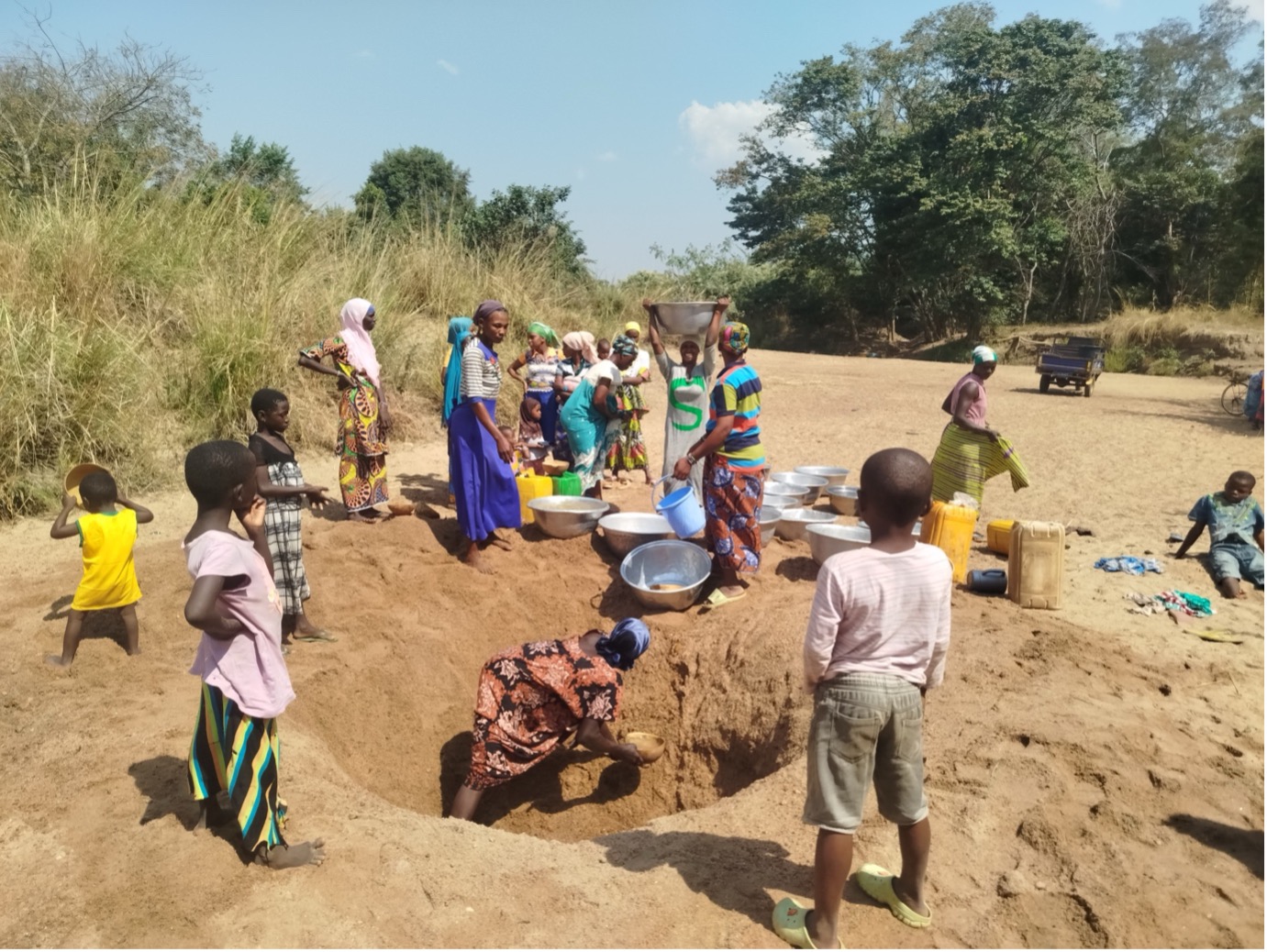
When digging for water in the dry river beds, women and children face attacks from a local variety of bee with a painful sting, competing for the same scarce source. The water they manage to find is diseased and infested with spirogyra. They must also share it with animals that urinate and defecate nearby, adding serious contamination to an already dangerous supply.
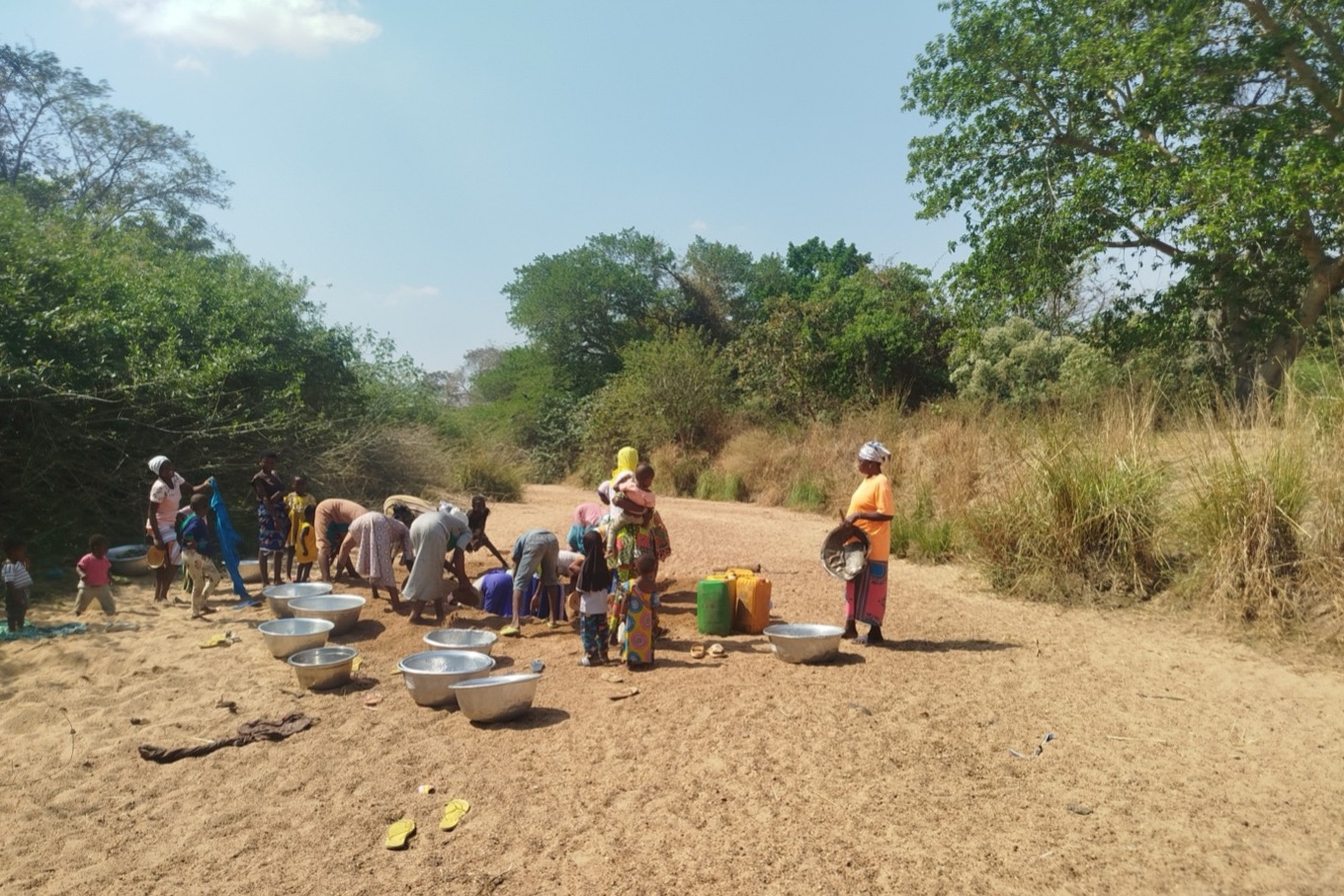
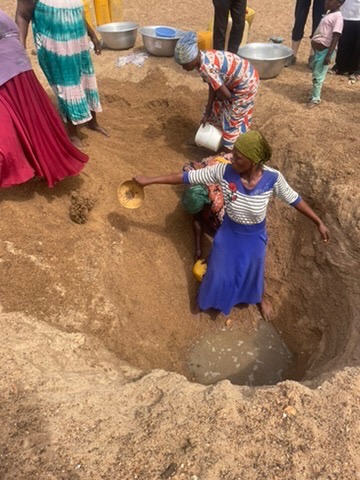
Having their own safe water borehole will mean a closer source of potable, hygienic water that will significantly reduce water-borne diseases, improve health and livelihoods, and put an end to the daily danger of searching for water.